Expert Fence Installation: Transform Your Property's Appeal With Superior Craftsmanship
Custom fence installation acts as an essential element in elevating both the aesthetic and functional aspects of a property. With a variety of styles and materials on the market, homeowners can create a customized look that suits their environment. Professional craftsmanship plays a vital role in ensuring strength and visual appeal. As property owners evaluate their options, they may start considering how to effectively plan their custom fence project for the greatest benefit.
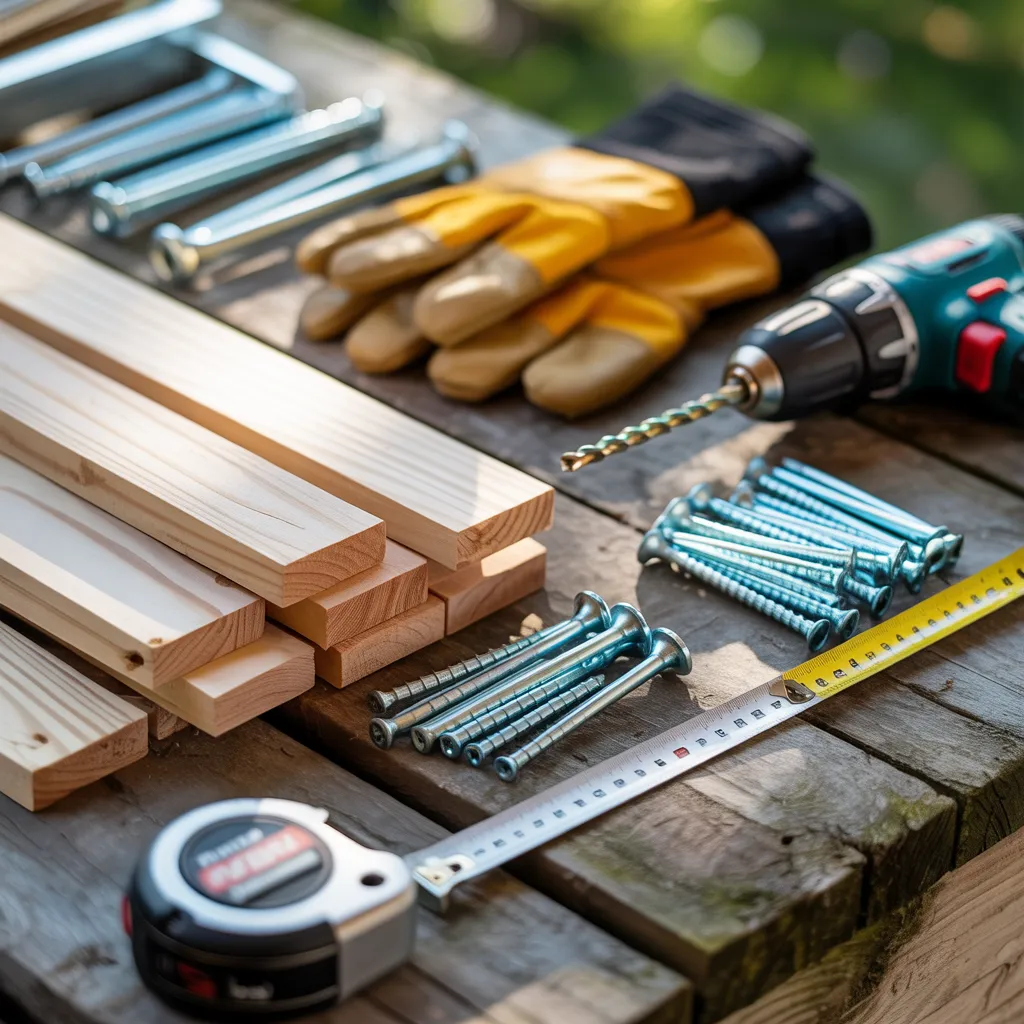
Why Custom Fences Are Essential for Your Home
Customized fences have become widely regarded as important additions for residential properties. These structures fulfill several functions, improving safety, seclusion, and visual charm. Many property owners discover that a thoughtfully crafted fence is able to mark property lines, offering a distinct separation between their land and adjacent areas. Such definition not only cultivates a feeling of proprietorship but also instills a feeling of protection, particularly in urban settings.
Moreover, personalized fencing solutions can be tailored to complement the design aesthetic of a home, blending seamlessly with the existing landscape. Materials such as wood, vinyl, or metal can be chosen based on personal taste and structural needs, presenting diverse possibilities to suit individual tastes. Moreover, these fences can boost home value, making them a worthwhile investment for property owners. In summary, custom fences play a vital role to the functionality and beauty of private properties, making them an critical aspect in property enhancement projects.
Planning Your Custom Fence Budget
When preparing for a custom fence project, homeowners must carefully assess their budgets to guarantee the final installation satisfies their requirements without undue financial burden. Establishing a clear budget involves considering various factors, including material expenses, labor fees, and supplementary elements, such as gates or decorative elements. Property owners should gather several estimates from contractors to compare pricing and services.
It's equally important to consider possible hidden costs, such as permits and site preparation fees. By establishing a contingency budget—usually 10-15% of the full project budget—homeowners can address unanticipated expenses that may come up throughout the installation process.
Prioritizing needs versus wants can assist in streamlining the budget, assuring that necessary features are covered while reducing unnecessary costs. By thoughtfully approaching the budgeting process, homeowners can ensure a successful and satisfying custom fence project that enhances their property without undermining their financial well-being.
Finding the Perfect Materials for Your Custom Fence
When selecting the right materials for a custom fence, homeowners often face the choice between wood and vinyl alternatives. Every material offers distinct advantages regarding durability and maintenance requirements. Understanding these differences can greatly influence the long-term effectiveness and longevity of the fencing solution.
Wood or Vinyl Fencing
Selecting the ideal options for a fence can considerably influence both visual appeal and functionality. Wooden fencing is often favored for its natural aesthetic and flexibility, enabling various styles and finishes. It can naturally complement landscaping and offers a welcoming, cozy look. That said, it can demand routine maintenance to keep its beauty intact.
In contrast, vinyl fencing provides a fresh look with a smooth, even finish. It comes in a wide variety of colors and styles, allowing homeowners to find options that align with their vision. Vinyl holds up against vermin and decomposition, rendering it an easy-care option. In the end, the choice between wooden and vinyl fence options will depend on homeowner preferences, visual goals, and long-term property aspirations.
Strength and Care Requirements
Assessing durability and maintenance factors is essential for identifying the right options for a custom fence. Different materials provide unique benefits regarding lasting performance and care. For instance, metal fences, such as aluminum or cast iron, provide exceptional durability and demand little upkeep, standing up to rust and outdoor exposure. On the other hand, timber fences, while aesthetically pleasing, demand regular treatments to protect against deterioration and insect harm, compromising lasting performance. PVC fencing is notable for its ease of care, holding up against fading and bending but may be less resilient in extreme conditions. Ultimately, the choice of material should reflect the homeowner's design preferences, weather conditions, and commitment to regular care, making certain the fence maintains its integrity and appearance over time.
Building a Fence That Harmonizes With Your Landscape
Crafting a fence that improves a landscape calls for careful consideration of design aesthetics and the use of environmentally friendly materials. A carefully selected fence not only enhances the established architecture but also integrates with the adjacent landscape. Identifying materials that complement the landscape can establish a cohesive and inviting outdoor space.
Aligning Architectural Aesthetics
How can homeowners establish a seamless integration between their fences and the surrounding architecture? By deliberately weighing the style and materials of their home, they can identify a fence that complements the overall aesthetic. As an example, a contemporary home may be enhanced by clean, minimalist designs, while a classic residence could be beautifully paired with traditional picket or wrought iron fences.
In addition, color choices should be harmonious; a fence that mirrors the home's trim color can bring the entire space together. Homeowners must also take height and scale into account, so the fence neither overpowers the property nor looks out of place. In the end, a thoughtfully designed fence can enhance curb appeal and create a cohesive, inviting atmosphere that reflects the homeowner's unique style.
Selecting Natural Materials
When picking out a fence, homeowners frequently discover that choosing naturally sourced materials can greatly enhance the harmony between the fence and the surrounding scenery. Bamboo, wood, and stone are favored choices that not only offer long-lasting strength but also integrate naturally with diverse surroundings. For instance, redwood or cedar fences can produce a charming, rustic character, while stone walls deliver a sophisticated, enduring look. Additionally, using locally sourced materials can foster a meaningful connection to the land, grounding the property within its geographic context. Homeowners should consider the maintenance requirements of these materials, as well as their resistance to weathering and pests. Ultimately, the ideal combination of natural materials can elevate both the fence's function and its visual appeal, resulting in a harmonious exterior environment.
Why Professional Craftsmanship Makes a Difference
Professional craftsmanship in fence installation significantly influences both the aesthetic appeal and physical stability of a property. Skilled installers carry the proficiency to determine the most suitable materials and techniques tailored to particular environmental factors. Such expertise ensures that fences not only enhance a property's visual appeal but also remain durable through the years.
Meticulous attention in the installation process plays an essential role in producing a polished result. Exact measurements and careful alignment helps avoid issues such as shifting or bowing, which can compromise a property's aesthetic appeal. Moreover, skilled installation often includes following local codes and safety guidelines, lowering possible liabilities for property owners.
Opting for skilled setup also means utilizing state-of-the-art tools and methods that are often unavailable to amateur installers. This thorough approach produces a sturdy fence that improves property value while showcasing the resident's personal taste and style. In the end, expert workmanship ensures that a fence performs its role efficiently and aesthetically.
Upkeep Tips for Long-Lasting Fence Solutions
Regular upkeep is essential for ensuring the longevity and durability of all fence types, irrespective of the expertise used during installation. Routine checks are necessary; residents are advised to inspect for evidence of deterioration, rot, or rust no fewer than twice per year. With timber fences, coating them with a protective finish every several years can shield against moisture and increase longevity. Metal fence structures demand routine maintenance to clear away grime and rust, commonly achieved with a wire brush or rust-inhibiting paint.
Moreover, cutting back vegetation that touches the fence decreases the risk of mold growth and pest problems. Maintaining proper drainage around the fence line avoids water accumulation, which can undermine the foundation. To conclude, handling any issues in a timely manner can minimize expenses and effort in the long run. By adhering to these maintenance tips, property owners can benefit from a attractive and practical fence for decades to come, boosting their property's overall appearance.

Frequently Asked Questions
What Is the Typical Duration of a Custom Fence Installation?
Custom fence installation generally requires one to two weeks, depending on factors such as project scope, material selection, and prevailing weather conditions. Setbacks can arise due to permit acquisition and site preparation before construction begins.
Will I Need a Permit to Install a Custom Fence?
In most cases, a permit is needed for setting up a custom fence, depending on local regulations. Homeowners should reach out to their local authorities to validate compliance with zoning regulations and property guidelines.
What Styles of Custom Fences Are Most Popular?
Popular designs of tailored fences consist of privacy, picket, ranch, and ornamental. Each option delivers unique aesthetics and functionality, overview catering to varied preferences and improving home value while offering protection throughout commercial and residential properties.
Am I Able to Install a Custom Fence During the Winter Months?
Indeed, a bespoke fence may be installed in winter. However, colder temperatures may affect the materials and installation methods, so it's crucial to work with experienced professionals for the best results and confirm correct handling during adverse weather conditions.
What Should I Look for When Choosing an Installation Contractor?
To select the best specialist for the installation, you should check credentials, review feedback, evaluate quotes, and assess expertise. Open communication and a detailed contract are essential to ensure excellent workmanship and complete satisfaction with the work.